


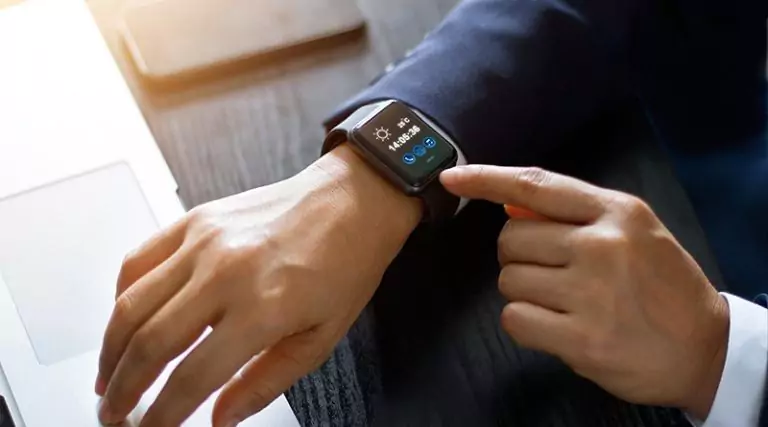
Smart wearables have undergone a huge transformation in recent years. Where they were once used as simple fitness trackers to count steps and measure calories, they have now evolved into advanced health monitoring devices. With the rise of advanced sensor technology, AI and cloud computing, wearables can now provide real-time medical insights that help detect diseases early and improve overall health.
In this blog, we explore how DevOps integration with cloud platforms helps optimize implementation processes and how organizations can benefit from it.
The Evolution of Smart Wearables
The first generation of wearables was mainly focused on fitness and well-being. Think of pedometers, heart rate monitors and calorie burning calculators. Later, these devices became more advanced with the introduction of GPS functionality, sleep tracking and stress monitoring. Today, wearables are not only focused on fitness, but also on monitoring chronic diseases, cardiac arrhythmias and even early signs of diseases such as COVID-19.
Key Features of Modern Wearables
1. Heart rate and heart rhythm monitoring
One of the most impactful innovations in wearables is the ability to measure heart rate and heart rhythm. Devices such as the Apple Watch and Fitbit can detect heart rhythm disorders such as atrial fibrillation and alert users to potential problems.
2. Blood sugarand glucose monitoring
Diabetes patients can now use non-invasive wearables that continuously monitor their blood glucose levels. This technology reduces the need for frequent finger prick tests and helps users better manage their insulin levels.
3. Blood pressure measurement
Smart watches such as the Samsung Galaxy Watch can now also measure blood pressure using advanced sensors and algorithms. This is especially useful for people with hypertension who need to monitor their blood pressure regularly.
4. Sleep tracking and Stress management
Wearables like Oura Ring and Fitbit offer in-depth sleep analytics, including sleep stages and recovery times. Additionally, they can measure stress levels by analyzing heart rate variability (HRV) and breathing.
5. Oxygen saturation measurement (SpO2)
During the COVID-19 pandemic, oxygen saturation measurement became an important feature in wearables. Devices such as the Garmin Fenix and Apple Watch can now measure SpO2 levels and alert users to abnormal readings.
Benefits of Smart Wearables for Health
1. Early Disease Detection
Wearables can detect subtle changes in body functions that could indicate health problems before symptoms are noticeable. This can help with the early detection of conditions such as cardiac arrhythmias, high blood pressure and sleep apnea.
2. Continue Health monitoring
Unlike traditional medical checkups, which only provide snapshots, wearables provide continuous health feedback. This helps users recognize trends and patterns and take timely action.
3. Better Self-care and Lifestyle Management
By providing insight into daily health statistics, wearables encourage users to make healthier choices, such as exercising more, sleeping better and reducing stress.
4. Improved Medical Concern
Doctors can use wearable data to get a more complete picture of a patient’s health. This can lead to personalized treatment plans and more effective care.
Future Developments in Wearable Technology
The technology behind wearables continues to evolve, promising even more advanced features. Here are some expected trends:
1. Non-invasive Blood glucose measurement
Researchers are working on wearables that can measure blood sugar levels without drawing blood, which would revolutionize diabetes management.
2. AI in Predictive Analyse
Artificial intelligence allows wearables to predict health problems before they occur, based on continuous monitoring and machine learning algorithms.
3. Implanteerbare en Smart Textile Wearables
In addition to watches and rings, smart clothing items are also being developed that monitor vital functions. This can be useful for elite athletes and patients with chronic conditions.
Privacy and Security of Wearable Data
One of the biggest concerns when using wearables is the privacy and security of the health data collected. Since wearables store sensitive information about heart rate, sleep, blood pressure and other vital functions, it is essential that this data is properly protected. Many companies are investing in encryption and secure storage methods, but there remains a risk of data breaches and data misuse.
In addition, it is important that users are aware of how their data is shared and used. Many wearables sync data with apps and cloud storage, meaning companies have access to personal health data. Transparency about how this data is managed and which third parties may have access is crucial.
Finally, governments and regulators are working on stricter regulations and privacy laws to better protect users. GDPR and other legislation set limits on how companies can collect and process data. It is essential that consumers are aware of their rights and configure the settings of their wearables in such a way that their privacy is guaranteed.
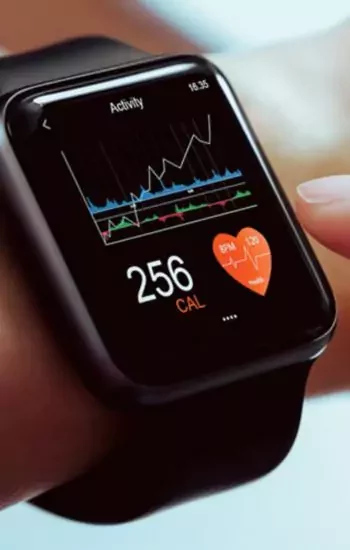
The Role of Wearables in Preventive Healthcare
Wearables are playing an increasingly important role in preventive healthcare. By continuously monitoring vital signs, they can help detect health problems before they become serious. This makes it possible for users to take proactive measures and adjust their lifestyle before a condition develops.
For example, someone at risk for cardiovascular disease can get real-time feedback on their heart rate, blood pressure and stress levels by wearing a wearable. This can motivate them to make healthier choices, such as exercising more and eating healthier. Wearables can also help doctors monitor patients remotely, leading to fewer hospital visits and more efficient healthcare.
In addition, wearables are increasingly integrated into personalized health programs. Healthcare providers can make personalized recommendations and offer tailor-made treatments based on data from wearables. This means that healthcare is not only reactive, but is increasingly used preventively, which ultimately leads to a healthier population and lower healthcare costs.
Conclusion
Smart wearables are much more than just fitness trackers. They are evolving into powerful health monitoring tools that can aid in the prevention, diagnosis and treatment of diseases. With continued technological innovations, these devices will play an increasingly important role in healthcare and personal health. It’s clear that the future of wearables goes beyond fitness; it is a revolution in healthcare and wellness.
Do you want to implement DevOps and cloud integration in your organization? Then start with small iterations, experiment with CI/CD tools and optimize your infrastructure as code. The future of software development lies in seamless integration of DevOps and cloud technologies.