


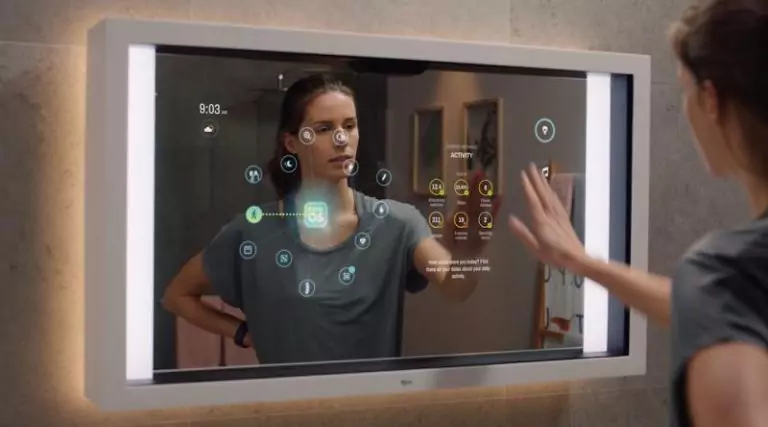
The world of smart technology is evolving at a rapid pace. In addition to smart speakers, thermostats and security cameras, smart mirrors and displays are becoming increasingly popular. These innovative devices combine functionality with advanced technology to make everyday life easier, more efficient and even more luxurious. From personalized facial care advice to real-time weather forecasts and interactive workouts, smart mirrors and displays are transforming how we use our living spaces.
In this blog, we explore how DevOps integration with cloud platforms helps optimize implementation processes and how organizations can benefit from it.
What are Smart Mirrors and Displays?
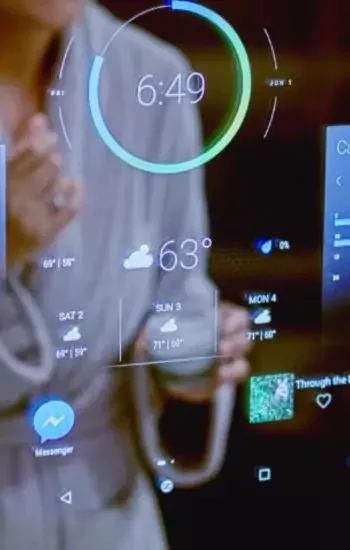
Smart mirrors and displays are digital screens that are often integrated into everyday objects such as mirrors, bathroom cabinets or furniture. They use artificial intelligence (AI), voice control and internet connectivity to provide users with a personalized and interactive experience. These devices can display information such as news, weather, calendars and health statistics, and can even be used for augmented reality (AR) applications.
Applications of Smart Mirrors and Displays
1. Health and Beauty Monitoring
Smart mirrors can perform skin analyzes and provide beauty advice based on the condition of your skin. Brands such as HiMirror and CareOS are developing mirrors that analyze changes in skin texture, wrinkles and hydration levels. This helps users optimize their skincare routine and use targeted products.
2. Fitness and wellness
Many smart mirrors, such as the Mirror Home Gym and Tonal, offer interactive fitness programs. Users can follow live or on-demand workouts with instructors and get instant feedback on their posture and performance. These devices make exercising at home more effective and motivating.
3. Smart Bathroom Experience
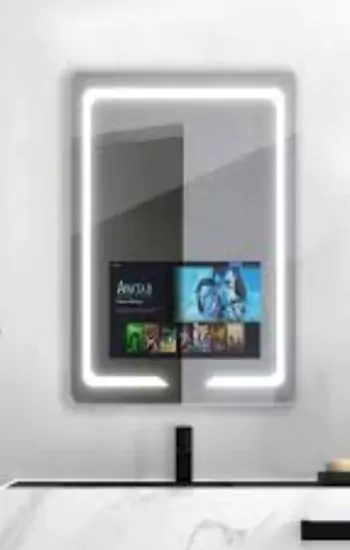
In the bathroom, smart mirrors can help with the morning routine by showing weather forecasts, news and calendar updates as you get ready for the day. Some models have built-in anti-fog technology, which keeps them usable after a hot shower.
4. Smart Kitchen Aid
In the kitchen, smart displays can show recipes, provide step-by-step cooking instructions and track calories. Integration with voice assistants such as Google Assistant and Amazon Alexa makes it possible to follow cooking instructions and set timers hands-free.
Technology Behind Smart Mirrors and Displays
Smart mirrors and displays use different technologies to provide a seamless user experience:
- AI en Machine Learning: Personalize recommendations based on usage history and preferences.
- Voice Control: Integration with smart assistants such as Alexa and Google Assistant for hands-free operation.
- Augmented Reality (AR): Enables virtual makeup tests and outfit visualizations.
- Internet of Things (IoT): Connects smart mirrors to other devices in the home for an integrated experience.
Benefits of Smart Mirrors and Displays
- Efficiency and Convenience: They provide quick access to information such as calendars and news while you go about your daily routine.
- Health and Fitness: Support an active and healthy lifestyle through fitness exercises and health monitoring.
- Luxurious and Modern Aesthetic: Give a futuristic touch to homes and increase the value of the interior.
- Personalization Based on AI, they can tailor content and suggestions to individual users.
Challenges and Considerations
While smart mirrors and displays offer many benefits, there are also some challenges:
- Costs: High-end models can be pricey.
- Privacy: Because they often contain cameras and microphones, there are concerns about data security.
- Maintenance: Regular software updates and calibration are required for optimal performance.
The Role of Smart Mirrors in Sustainable Living
Smart mirrors and displays can contribute to a more sustainable lifestyle by making users more aware of their energy consumption and ecological footprint. Some smart mirrors can provide energy advice and connect to other smart devices, such as thermostats and lighting, to promote energy efficiency. This not only helps to reduce energy costs, but also contributes to environmentally friendly living.
In addition, smart mirrors can help save water in the bathroom by providing real-time feedback on water consumption. These types of applications make smart mirrors not only a luxury item, but also an essential tool in the transition to more sustainable living.
How Smart Mirrors Are Transforming the Retail and Fashion Industry
The fashion and retail industries are undergoing a major transformation thanks to smart mirrors and interactive displays. Many high-end clothing stores are implementing smart fitting rooms that allow customers to try on clothes virtually without physically putting them on. This not only reduces the need for traditional fitting rooms, but also provides a personalized shopping experience through AI-powered styling and accessory recommendations.
In addition, smart mirrors in stores can provide real-time feedback on product availability, display reviews and even enable payments via contactless technology. These innovations not only improve customer satisfaction, but also make shopping more efficient and technologically advanced.
The Future of Smart Mirrors and Displays
Technology continues to evolve and we can expect even more innovations, such as:
- Improved AI and Facial Recognition: For even more personalized experiences.
- Sustainable and Energy Efficient Materials: Reduce energy consumption and make them more environmentally friendly.
- Integration with Health Services: For medical monitoring and telehealth applications.
Conclusion
Smart mirrors and displays are no longer futuristic gadgets, but an essential part of modern homes. They improve convenience, health and personalization, making them indispensable in the smart home of the future. With integrated AI and IoT functionalities, they show weather forecasts, health data and personalized content. These technologies help streamline morning routines and promote wellness. Thanks to continuous innovations, they are becoming smarter and more interactive, meaning they play an even greater role in our living environment. As technology evolves, smart mirrors and displays will further optimize our daily lives and transform the way we interact with our homes.