


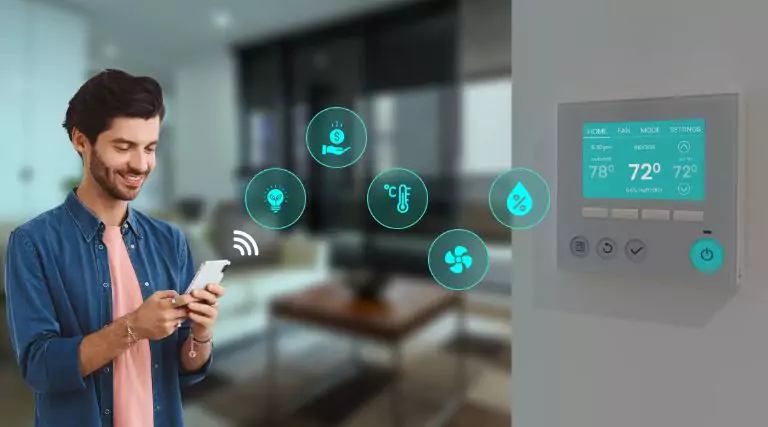
Energy bills can sneak up on anyone—especially when heating or cooling systems work overtime without much thought. That’s where smart energy management comes in, and it’s more relevant today than ever before. With the growing adoption of smart home technologies, people now have powerful tools to understand and control their energy usage. Two of the most game-changing solutions are smart thermostats and power monitoring systems.
In this blog, we explore how DevOps integration with cloud platforms helps optimize implementation processes and how organizations can benefit from it.
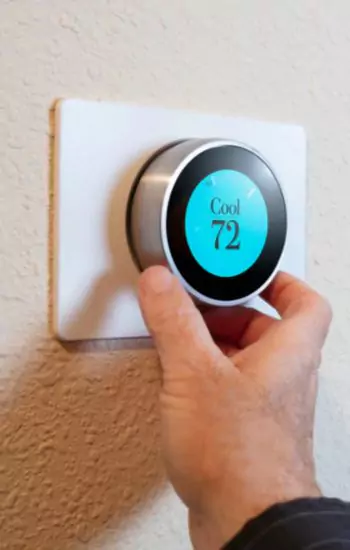
These devices don’t just make homes smarter—they make them more efficient, eco-friendly, and cost-effective. Whether someone’s trying to lower utility bills or make greener choices, smart thermostats and energy monitors offer real-time insights and automation that help manage energy consumption with ease.
The Smart Thermostat Advantage
Smart thermostats are a major upgrade from traditional programmable thermostats. They don’t just follow a fixed schedule—they learn from behavior. Over time, they adjust heating and cooling patterns based on preferences, presence, and even local weather.
What makes them truly valuable is their connectivity. Through a smartphone app or voice assistant, users can change temperature settings on the go. Some models also use geofencing, which adjusts the thermostat based on whether someone is home or away. That means no more wasting energy cooling or heating an empty house.
Additionally, most smart thermostats provide reports and suggestions. They break down energy usage and highlight ways to save more, making users more aware of how small changes can add up over time.
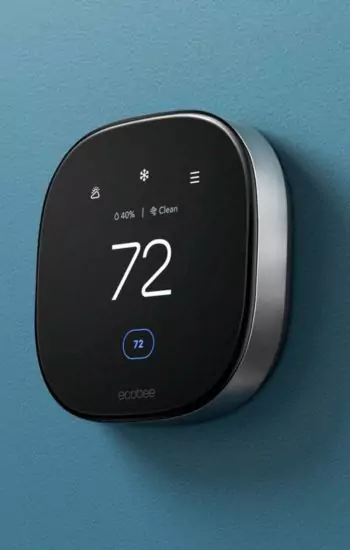
Real-Time Power Monitoring
While smart thermostats handle temperature control, energy monitors focus on the bigger picture. These devices connect to a home’s electrical panel and provide real-time information on electricity usage. That includes how much energy each appliance or device consumes, even when it’s in standby mode.
This level of detail is eye-opening. Many people are surprised to learn how much energy their old refrigerator or gaming setup consumes daily. With smart power monitors, it becomes easier to spot energy-hungry habits and eliminate unnecessary waste.
Some systems even allow users to set thresholds and receive alerts if usage spikes unexpectedly. This can also help detect faulty appliances or issues that would otherwise go unnoticed until the utility bill arrives.
Automation and Integration with Smart Homes
One of the best things about smart energy tools is their ability to work together. Smart thermostats can pair with window sensors to turn off the AC when a window is open. Smart plugs can cut power to idle devices during certain hours. And if everything is tied into a central home hub, users can create routines that optimize both comfort and efficiency.
A good example? Setting up a routine where the thermostat turns down the heat when the house is empty, the lights turn off automatically, and only essential devices stay powered. All of this can be managed through an app, voice assistant, or even pre-set triggers like time of day or motion detection.
This level of automation doesn’t just save energy—it simplifies life. Instead of remembering to make adjustments manually, the home handles it in the background.
Cost Savings and Environmental Impact
The financial benefits of smart energy management are clear. A well-programmed smart thermostat alone can reduce heating and cooling costs by up to 10-15% annually. Add in power monitoring and smart automation, and the savings can climb even higher.
Beyond personal savings, these tools contribute to a broader goal: reducing energy demand. Lower energy consumption means reduced strain on the grid and fewer carbon emissions. Both the environment and the wallet benefit from it.
Even small changes—like switching off unused devices, adjusting thermostat settings slightly, or replacing high-consumption appliances—can lead to noticeable improvements over time.
Key Benefits at a Glance
While most of the value comes from long-term use, here are a few immediate benefits people often experience:
- Lower utility bills through efficient usage: These devices help cut down on unnecessary energy use by automatically adjusting settings and highlighting inefficiencies, leading to noticeable savings on monthly bills.
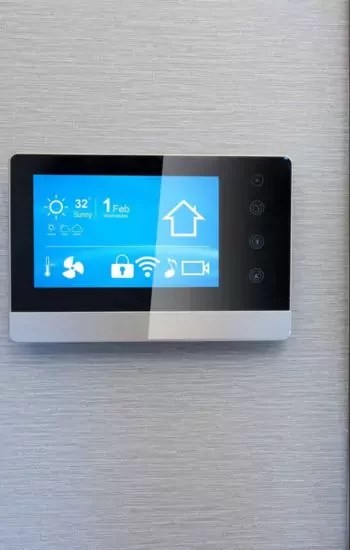
- Better visibility into energy habits: Users gain insight into which devices use the most power and when, making it easier to adjust routines and reduce wasteful consumption.
- Improved comfort with automation: Smart thermostats learn daily schedules and adjust temperatures accordingly, ensuring a comfortable environment without manual tweaks.
- Environmental impact: By reducing energy waste, these tools help lower household carbon footprints, making everyday living more sustainable.
- Quick detection of unusual usage: If something’s off—like an appliance suddenly drawing more power—it’s easier to spot and address early, helping prevent bigger problems.
Making the Switch: What to Know
Installing a smart thermostat is typically straightforward, especially in modern homes. Some wiring knowledge might be needed, but many devices come with step-by-step guides. Power monitors may require professional installation if they connect directly to the electrical panel.
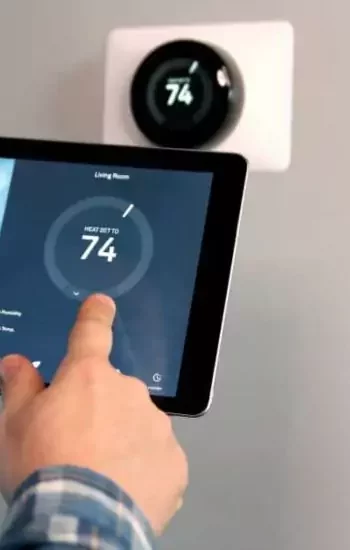
It’s also important to choose compatible devices. Not every smart thermostat works with every HVAC system, and not all energy monitors support individual device tracking. Researching the features and integrations that matter most can help ensure the setup meets specific goals.
Conclusion
Smart thermostats and power monitoring systems are transforming how people think about energy. They’re not just gadgets—they’re tools that empower better decisions, provide insight into daily habits, and offer ways to cut down on unnecessary consumption. By making energy visible, manageable, and automated, these solutions bring convenience and sustainability under one roof. For anyone looking to take control of their energy use while enjoying a more comfortable home, these technologies are well worth the investment.
Do you want to implement DevOps and cloud integration in your organization? Then start with small iterations, experiment with CI/CD tools and optimize your infrastructure as code. The future of software development lies in seamless integration of DevOps and cloud technologies.