


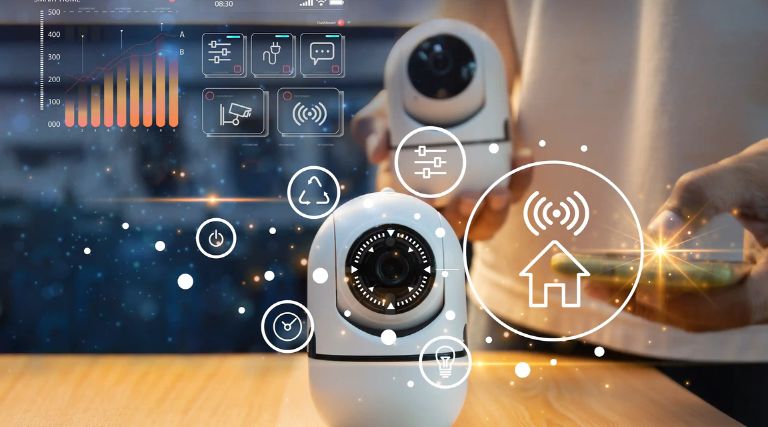
Smart security systems have transformed the way people protect their homes and businesses. With just a few taps on a smartphone or a quick voice command, users can lock doors, view camera feeds, receive alerts, and even speak to someone at the front door. It’s convenient, it’s modern, and it feels empowering. But with all this ease of access comes an important question—how do you maintain strong protection without compromising privacy or control?
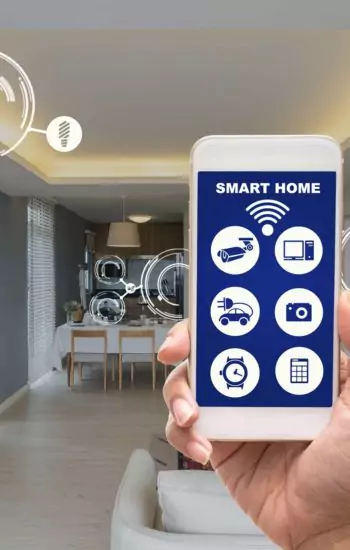
As technology gets more advanced, the line between convenience and security becomes increasingly blurred. It’s important to understand how smart security systems work, what they offer, and how to use them wisely to ensure that convenience doesn’t come at the cost of vulnerability.
The Rise of Smart Security
The shift from traditional alarm systems to smart security setups has been driven by the demand for flexibility and real-time control. Unlike older systems that relied on landlines or required professional installation, modern smart security is often wireless, easy to install, and fully managed through apps.
These systems include devices like:
- Smart cameras (indoor and outdoor)
- Video doorbells
- Smart locks
- Motion sensors
- Alarm systems with mobile notifications
What sets them apart is the ability to monitor and control everything remotely. Users can arm or disarm their systems from anywhere, view live feeds, or get alerts when motion is detected—no more relying solely on third-party monitoring services.
Convenience at Your Fingertips
One of the most appealing aspects of smart security is how effortlessly it fits into daily life. Whether it’s unlocking the door for a friend while stuck in traffic or checking if a delivery arrived while in a meeting, everything can be handled in just a few taps or voice commands. The beauty lies in how quick and intuitive it all feels, saving time and reducing stress in the moment.
Automations take this convenience even further. Set routines can lock the doors at night, turn on porch lights when motion is detected, or send an alert if the garage door is left open too long. These small actions add up to a system that quietly works in the background, improving security without constant input.
Voice control through smart assistants like Alexa, Siri, or Google Assistant adds another layer of hands-free ease. Simple phrases like “arm the alarm” or “show the front door camera” fit naturally into everyday conversation, making the system feel like a seamless part of the home.
This kind of convenience was nearly unthinkable just a decade ago. It’s no longer just a luxury—it’s a smarter way to manage routines, feel more in control, and gain peace of mind every single day.
The Other Side: Security and Privacy Concerns
With great convenience comes potential risks. Smart security systems depend on Wi-Fi, cloud storage, and mobile access—all of which can be vulnerable if not properly secured. Privacy is another concern. Many smart cameras store data on the cloud, and if a system is hacked or data is mishandled, sensitive footage could be exposed.
- Common concerns include:
- Unauthorized access due to weak passwords or outdated software
- Data collection and sharing by manufacturers
- Microphones and cameras being accessed remotely
- Over-reliance on internet connectivity (systems failing during outages)
That’s why it’s essential to take digital security just as seriously as physical security. Choosing trusted brands, enabling two-factor authentication, updating firmware regularly, and being cautious about third-party app access are all part of being a responsible user.
Finding the Right Balance
Balancing convenience and protection means being aware of your system’s strengths and its limitations. Not every home needs every gadget. For some, a simple video doorbell and a few motion sensors may be enough. For others, a more robust setup with indoor and outdoor surveillance, smart locks, and integrated lighting control might be ideal.
Key ways to strike this balance include:
- Choosing systems that encrypt data both at rest and in transit
- Opting for products that support local storage when privacy is a top concern
- Setting up user permissions to limit who can access the system
- Using automation wisely—automate for comfort, but not at the expense of control
It’s also worth noting that smart security shouldn’t replace common-sense safety practices. Locking doors manually when needed, being aware of surroundings, and having good neighborhood communication still matter.
Integration with Broader Smart Home Ecosystems
One of the biggest advantages of smart security systems is how they fit into larger smart home ecosystems. They don’t operate in isolation. Security cameras can trigger smart lights to flash when motion is detected. Smart locks can disable alarms when a trusted user enters a code. Sensors can alert you via smartphone if smoke or carbon monoxide is detected.
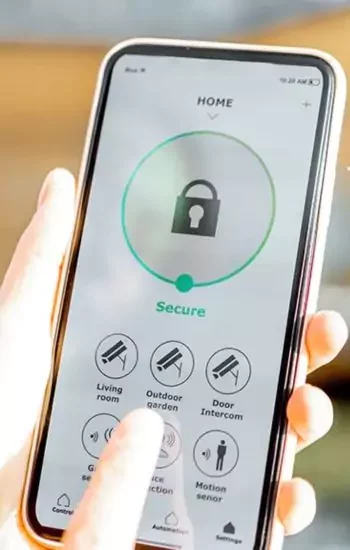
This interconnectivity makes homes not just safer but also more efficient. However, the more integrated your system becomes, the more important it is to secure the entire ecosystem. A vulnerability in one device—say, a smart plug with poor encryption—could be a backdoor into the whole network.This interconnectivity makes homes not just safer but also more efficient. However, the more integrated your system becomes, the more important it is to secure the entire ecosystem. A vulnerability in one device—say, a smart plug with poor encryption—could be a backdoor into the whole network.
Conclusion
Smart security systems offer a powerful blend of control, visibility, and convenience. They’ve changed the way people monitor and secure their homes, giving real-time access to information and tools that once required professional installation and hefty fees. But to get the most out of these systems, it’s important to remain cautious and aware. Convenience should never outweigh protection. With the right setup, secure configurations, and responsible use, it’s possible to enjoy both peace of mind and everyday ease in a truly connected home.