


A garden makeover is a fantastic opportunity to breathe new life into your outdoor space, creating a retreat that reflects your style and serves as an extension of your home. From lush greenery to functional hardscape elements, the possibilities are endless. In this step-by-step guide, we’ll explore the essentials of a successful garden makeover, so you can transform your outdoor space into a vibrant, personal retreat.
1. Assessment and vision
The first step in any garden renovation is a thorough assessment of your current space. Consider the existing features, plant health, and any issues that need to be addressed. Think about your lifestyle and envision how you want to use your garden. Do you dream of an intimate reading nook, a lively entertainment space, or a thriving vegetable garden? Understanding your goals will guide the direction of your makeover.

2. Design and layout
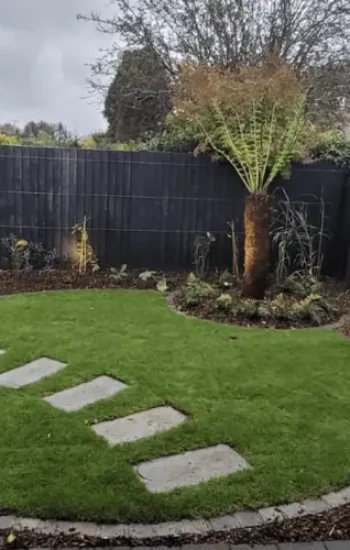
With a clear vision in mind, you can focus on the design and layout of your garden. Create focal points to draw attention and create a sense of cohesion. Experiment with color schemes and use a mix of flowering plants for year-round interest. Incorporate paths and seating areas to enhance accessibility and enjoyment.
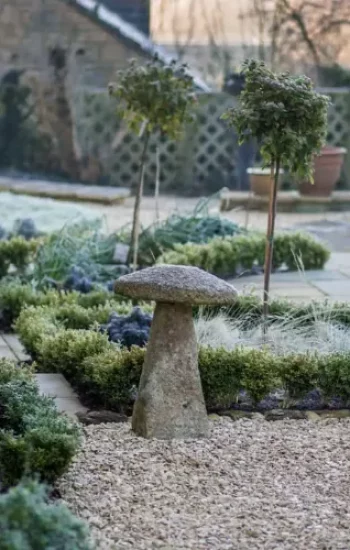
Hardscape elements, such as decks, patios, and garden structures, are an integral part of the overall design. Choose materials that complement your vision and climate. Whether it’s the rustic charm of natural stone or the modern appeal of composite materials, make sure your choices align with the aesthetic you’re going for.
3. Plant selection and placement
Selecting the right plants is an important part of any garden renovation. When choosing a variety of plants, consider factors such as sunlight, soil type, and local climate. Use a mix of perennials and annuals for continuous blooms throughout the seasons. Pay attention to plant heights and textures for a visually appealing landscape.
Native plants not only thrive in local conditions, but also support local ecosystems. In addition, add evergreens to maintain interest during the winter months. Grouping plants with similar water and sunlight should make maintenance easier.
4. Functionality and comfort
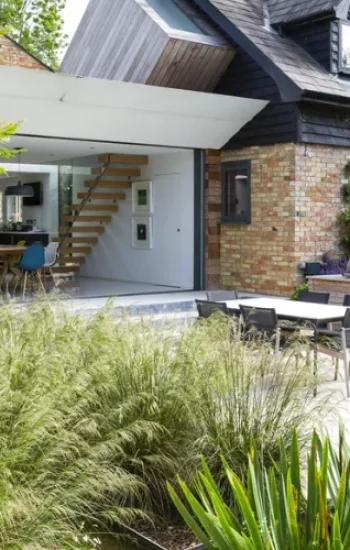
Your garden should be an extension of your living space, so think about how you’ll use it. Create designated areas for dining, relaxing, and playing. Incorporate comfortable outdoor furniture that matches your style and encourages outdoor living. Consider adding lighting to extend the usability of your garden into the evening.
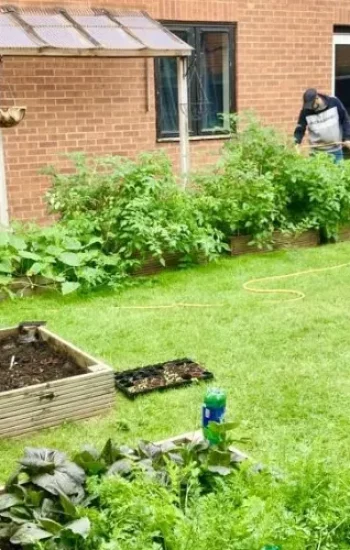
Add functional elements, such as raised beds for easy gardening, a fire pit for cozy evenings, or a water feature for a tranquil ambiance. Balance aesthetics with functionality to ensure your garden is not only beautiful, but also a joy to live in.
5. Durability and maintenance
A sustainable garden is both environmentally friendly and easier to maintain. Implement water-saving strategies, such as drip irrigation or rainwater harvesting. Choose native plants that require less water and are naturally resistant to local pests.
Plan for ongoing maintenance by creating a schedule for tasks like pruning, weeding, and fertilizing. Consider low-maintenance options for busy lifestyles, such as using ground covers to suppress weeds and reduce the need for mulching.
6. Budgeting and implementation
Create a realistic budget based on your vision and priorities. Outline the costs for plants, materials, and any professional services you may need. If your dream garden exceeds your budget, consider a phased approach, making improvements over time.
When implementing your makeover, tackle one area at a time to effectively manage the workload. This phased approach allows you to assess each transformation and adjust your plans as needed. Consult a professional landscape architect for guidance and expertise if necessary.
Conclusion
A garden makeover is an exciting journey that allows you to express your creativity and cultivate a space that brings joy and relaxation. By carefully assessing your space, creating a thoughtful design, prioritizing functionality, and embracing sustainability, you can transform your outdoor space into a personal oasis. Whether you’re a seasoned gardener or a novice, the key is to enjoy the process and reap the rewards of your newfound outdoor paradise.