


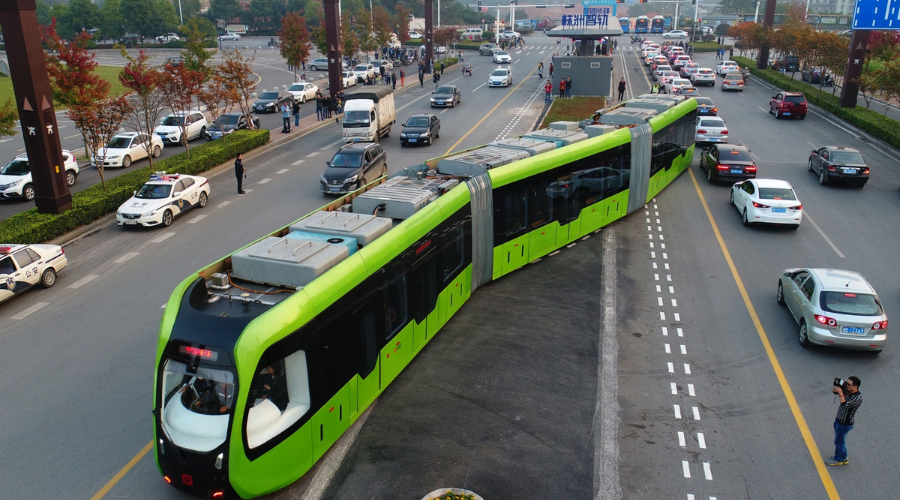
Transport is a fundamental aspect of human civilization and shapes the way we live, work and communicate. From ancient times, when people depended on primitive modes of transportation, to the modern era of advanced vehicles and advanced infrastructure, the evolution of transportation has been a fascinating journey. In this blog, we explore the history, current state, and future trends of transportation, highlighting the crucial role it plays in connecting people, cultures, and economies.
Historical perspectives on transport
1. Early transportation modes
The history of transportation dates back to the earliest human civilizations, where walking and the use of animals for the transportation of goods were the main forms of movement. As societies evolved, transport methods also evolved. The invention of the wheel around 3500 vGT marked a significant leap forward, enabling the development of carts and chariots.
2. Maritime exploration
With the era of the voyages of discovery in the 15th and 16th centuries, maritime transport became known. The invention of navigation aids such as the compass and the astrolabe facilitated long-distance sea voyages, connecting previously isolated areas. Maritime trade routes became crucial for the exchange of goods, ideas and cultures between continents.
The industrial revolution and the rise of the Railways
2.1 Impact on land transport
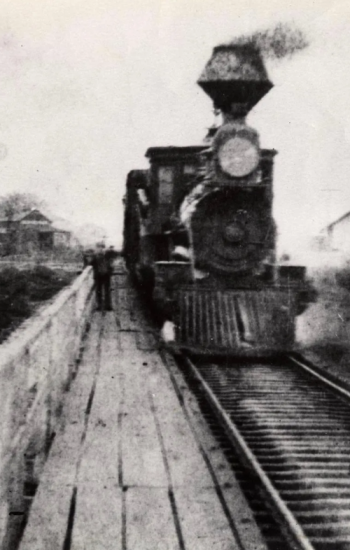
The industrial revolution took place in the 19th century, which transformed transport through innovations such as steam engines and railways. The steam locomotive, developed by figures such as George Stephenson, revolutionized land transport, enabling faster and more efficient movement of people and goods. Railways became the backbone of industrialized countries, connected cities and promoted economic growth.
2.2 Car revolution
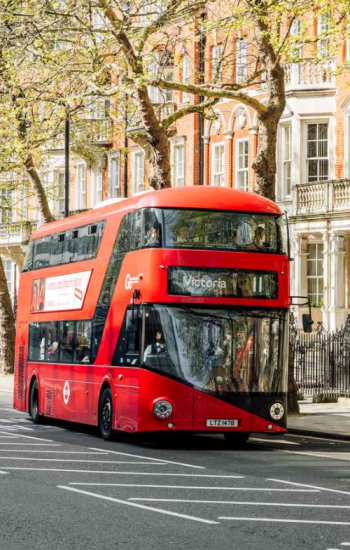
The 20th century witnessed a new transport revolution with the widespread adoption of cars. Henry Ford’s assembly line and car mass production made personal mobility accessible to the masses. Roads and highways spread, reshaping urban landscapes and promoting suburbanization. The car became a symbol of freedom and independence, fundamentally changing social standards.
The current state of transport
3.1Multimodal connectivity
In the 21st century, transport was characterized by multimodal connectivity, in which different modes of transport seamlessly integrate into an extensive network. Air travel connects continents, high-speed trains travel long distances and smart cities implement efficient public transport systems. The focus is on creating a sustainable, interconnected transport infrastructure that minimizes the impact on the environment and improves accessibility.

3.2 Emerging technologies
The current era is witnessing a wave of innovative transport technologies. Electric vehicles (EVs) are becoming increasingly popular, removing concerns about environmental sustainability and reducing dependence on fossil fuels. Autonomous vehicles, equipped with advanced sensors and artificial intelligence, are ready to revolutionize the way we commute, with the promise of improved safety and efficiency.
3.3 Challenges and opportunities
However, the current transport landscape is not without challenges. Traffic congestion, inadequate infrastructure and environmental problems are significant obstacles. The emergence of trip sharing services and the potential shift to a sharing economy present both challenges and opportunities for traditional transport models. Policy makers and market leaders have the task of finding solutions that balance technological progress with sustainability and inclusiveness.
Future trends in transport
4.1 Sustainable Mobility
While the world community is struggling with the effects of climate change, sustainable mobility is at the forefront of transport trends. Electric vehicles powered by renewable energy sources are expected to become increasingly common. In addition, investments in public transport, bicycle infrastructure and pedestrian-friendly urban planning aim to reduce dependence on individual car ownership and promote environmentally friendly alternatives.
4.2 Hyperloop and high speed track
In the future, the widespread use of high-speed rail and Hyperloop technologies would allow for fast and efficient interurban transport. These innovations have the potential to radically change long-distance travel, making it faster, more accessible and more environmentally friendly.
4.3 Integration of smart technologies
The integration of smart technologies is about to redefine transport systems. From smart traffic management systems that optimize traffic flow to using data analysis for predictive vehicle maintenance, technology will play a critical role in creating more efficient and responsive transport networks. The advent of the Internet of Things (IoT) will enable real-time communication between vehicles, infrastructure and traffic management systems, increasing overall safety and efficiency.
Conclusion
In conclusion, the evolution of transport reflects the progress of human civilization. From a modest start that depended on foot and animal transport to the era of high-speed trains and electric vehicles, transport has come a long way. Current transport challenges and future opportunities underline the need for innovative solutions that prioritize sustainability, efficiency and inclusiveness. As we navigate the complex field of transport, the journey to a connected, sustainable and technologically advanced future is both exciting and essential.