


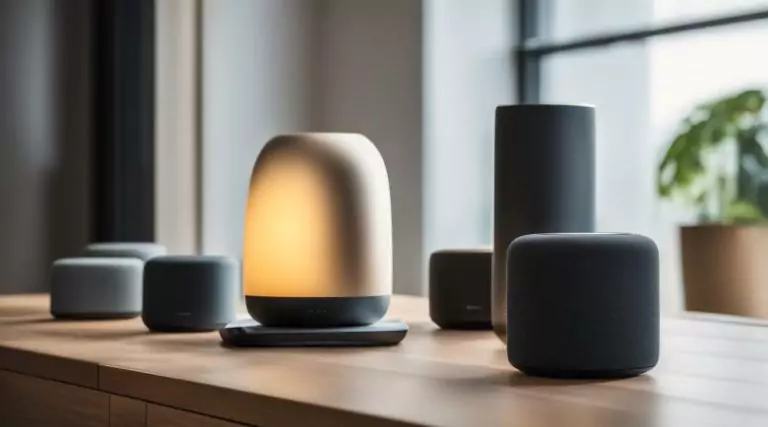
Smart speakers have come a long way from being novelty gadgets that played music on command. What started as a voice-activated tool for weather updates or Spotify playlists has now transformed into a central hub for the entire smart home ecosystem. As homes get smarter and more connected, smart speakers are no longer just accessories—they’re becoming the command centers that manage everything from lighting and security to temperature control and entertainment. This shift has been gradual, but incredibly impactful, changing how people interact with their homes.
In this blog, we explore how DevOps integration with cloud platforms helps optimize implementation processes and how organizations can benefit from it.
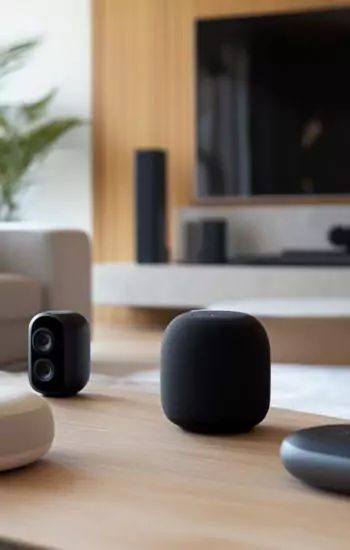
The Early Days: Voice Assistants Enter the Home
The first wave of smart speakers hit the market with the arrival of Amazon Echo in 2014, introducing Alexa to the world. Shortly after, Google followed with Google Home, and Apple joined in with the HomePod. These devices initially focused on voice search, music playback, alarms, timers, and basic app integration.
Back then, the goal was convenience—hands-free help with everyday tasks. Users could ask about the weather, set reminders, or get quick trivia answers. But even in those early days, manufacturers began adding hooks for home automation, such as controlling lights or playing media on other connected devices.
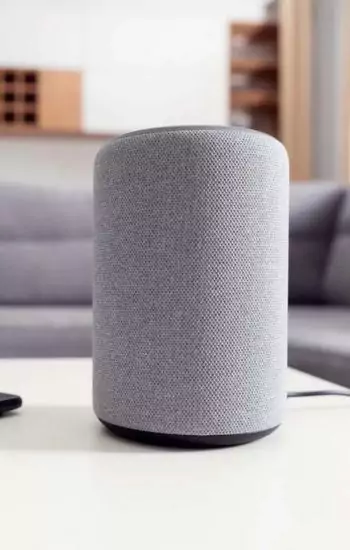
Growing Smarter: Expanding Features and Integrations
As smart homes gained popularity, smart speakers evolved to match. Developers started opening their platforms to third-party device manufacturers. Suddenly, users could control lights, thermostats, smart locks, and more with a simple voice command.
Amazon’s Alexa platform, for instance, launched “Skills” to enable developers to build custom voice apps, while Google Assistant offered “Actions.” Apple took a more curated approach with HomeKit, prioritizing security and seamless integration with iOS devices. These advancements turned speakers into more than just passive listeners—they became active participants in home management.
Multi-Device Coordination: From Solo Use to Smart Networks
Today’s smart speakers don’t operate in isolation. They act as the control point for entire smart networks. Whether it’s turning on porch lights when motion is detected or adjusting the thermostat before bedtime, these speakers help orchestrate daily routines automatically.
Most major platforms now support:
Multi-room audio for synchronized music playback
Group commands to control several devices at once
Routines and automations triggered by time, voice, or sensors
It’s no longer just about issuing single commands. Smart speakers can execute chains of actions with a single phrase like, “Good morning,” which might turn on lights, start the coffee machine, and play the news—all in one go.
Improved Hardware and Smarter AI
The evolution of smart speakers isn’t just software-driven. The devices themselves have improved dramatically. Newer models boast better sound quality, more microphones for accurate voice pickup, and built-in displays for visual feedback. Devices like the Echo Show and Google Nest Hub combine speaker capabilities with touchscreen interfaces, making them even more useful as control panels.
AI has also gotten smarter. Voice assistants can now handle more complex conversations, understand context, and personalize responses based on the user. This intelligence makes interactions feel more natural and useful.
Centralizing Control: Benefits of Using Smart Speakers as Hubs
One of the biggest benefits of using smart speakers as home controllers is simplicity. Instead of juggling apps for every smart device brand, users can manage everything through a single platform. This unification reduces friction and makes smart home technology more accessible to the average person.
Other key benefits include:
- Hands-free convenience, especially for tasks like turning off lights or locking doors when your hands are full
- Accessibility, making home control easier for elderly users or people with mobility challenges
- Energy efficiency, as automations can help reduce unnecessary usage of lights, appliances, and HVAC systems
Challenges and Limitations
Despite their usefulness, smart speakers aren’t perfect. Privacy concerns remain a hot topic, with many users wary of devices that are always listening. Companies have made efforts to address these concerns with physical mute buttons and clearer privacy policies, but skepticism still exists.
Another challenge is platform fragmentation. Not all smart devices work with all ecosystems. Someone with a Google Nest speaker might struggle to integrate it with a smart plug that only supports Alexa or HomeKit. Interoperability is improving, especially with the rise of the Matter standard, but it’s not a solved problem yet.
Looking Ahead: What’s Next for Smart Speakers?
The future looks promising. Smart speakers are expected to become even more capable, integrating AI that can learn household habits and make proactive suggestions. Voice recognition will become more personalized, distinguishing between users to offer tailored responses.
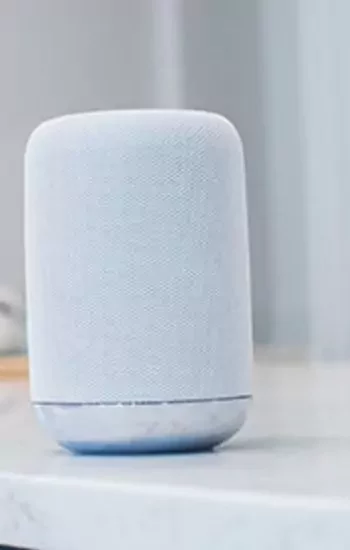
With the adoption of Matter, the industry is moving toward better cross-platform compatibility, which could finally allow users to mix and match devices without sacrificing functionality. Smart speakers will likely take on even more central roles, perhaps blending with home security systems, entertainment setups, and even health monitoring tools.
Conclusion
Smart speakers have quietly shifted from being novelty gadgets to essential home controllers. They now sit at the heart of connected homes, simplifying how people interact with their environment. With better hardware, smarter AI, and growing compatibility, these devices are set to become even more central to daily life. While privacy and integration hurdles remain, the trend is clear—smart speakers are no longer just speakers. They’re becoming the voice and brain of the modern home.