



A garden makeover isn’t just a visual upgrade; it’s a transformative journey that will transform your outdoor space into an oasis of beauty, functionality, and relaxation. Whether you have a sprawling backyard or a cozy balcony, rejuvenating your garden can bring immense joy and enhance your overall living experience. In this comprehensive guide, we’ll explore the key elements of a successful garden makeover and provide practical tips to help you create a beautiful outdoor oasis.
Assessment and planning
Before you begin any garden makeovers, it is essential to conduct a thorough assessment of your current outdoor space. Take note of existing features, such as trees, shrubs, and hardscape elements, and evaluate their condition. Consider factors such as sunlight exposure, soil quality, and the overall layout of your garden. This assessment will serve as the basis for your makeover plan.
Once you have a clear picture of the current state of your garden, it is time to envision your ideal outdoor space. Think about your lifestyle, preferences, and the primary purpose of the garden. Do you want a quiet retreat for relaxation, a lively space for social gatherings, or a functional space for garden activities? Defining your goals will help you shape the design and determine the selection of plants, materials, and elements.
Design principles
A successful garden makeover relies on good design principles that balance aesthetics with functionality. Start by creating focal points in your garden, such as a beautiful flower bed, a water feature, or a well-placed seating area. These focal points will draw attention and create a sense of harmony in the overall design.
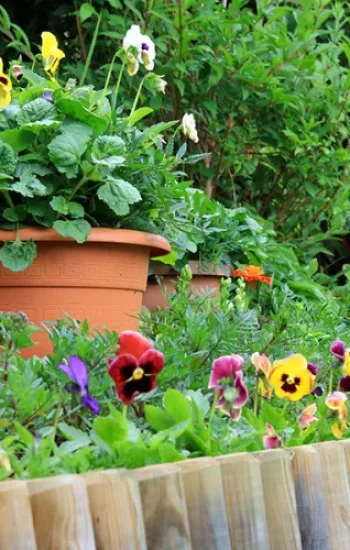
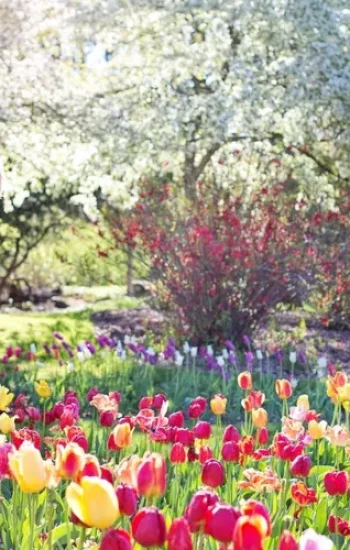
Add a variety of plants to add texture, color, and seasonal interest to your garden. Choose a mix of perennials and annuals, taking into account their blooming seasons, to ensure year-round visual appeal. Native plants are not only well-adapted to the local climate, but also attract local wildlife, contributing to a more balanced and sustainable ecosystem.
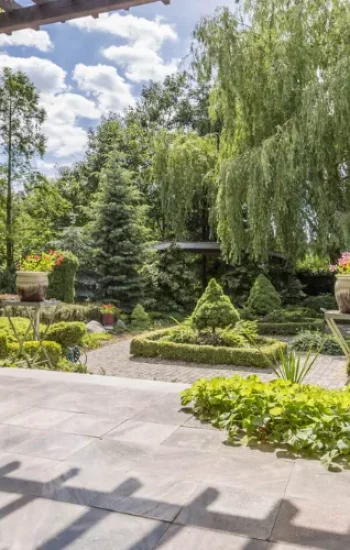
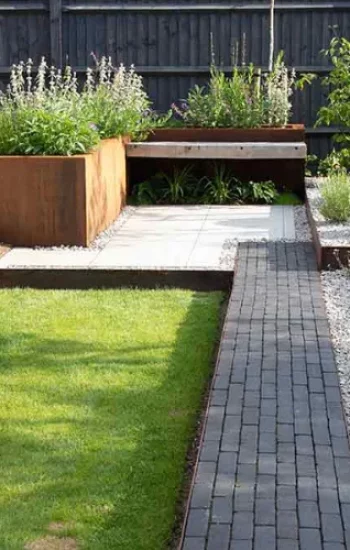
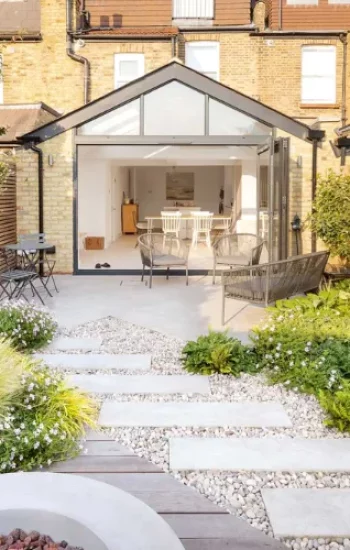
Hardscape elements, including paths, patios, and decorative structures, play a crucial role in defining the structure of your garden. Choose materials that complement your home’s architecture and create a cohesive visual flow. Consider using sustainable materials to minimize your environmental impact.
Functionality and usability
A garden should not only be visually appealing, but also functional and practical. Define specific spaces for different activities, such as a dining area, a children’s play area, and a quiet reading nook. Include outdoor furniture that is comfortable, durable, and complements the overall design.
Make sure your garden meets the needs of all family members, including pets. Designate pet-friendly zones and consider installing amenities such as pet-friendly plants and water sources. Additionally, consider incorporating eco-friendly practices, such as rainwater harvesting and composting, to increase sustainability.
Maintenance and long-term care
A well-designed garden should be durable and easy to maintain. Choose low-maintenance plants that thrive in your climate and require minimal attention. Implement smart irrigation systems to optimize water use and reduce the need for manual watering.
Regular maintenance is essential to maintaining the beauty of your garden. Develop a seasonal maintenance schedule that includes tasks such as pruning, weeding, and fertilizing. Investing time in proper care will ensure that your garden lasts and stays healthy.
Budgeting and implementation
Once you have a clear design plan, it’s time to create a budget for your garden makeovers. Determine the costs associated with plant, materials, labor, and any additional features you plan to add. Be realistic about your budget constraints and prioritize essential elements to stay within financial limits.
When undertaking your garden makeovers, consider tackling the project in phases, especially if you have a large outdoor space. This approach will allow you to manage costs more effectively and benefit from incremental improvements over time. If you’re not confident in your gardening skills, consulting with a professional landscape architect can provide valuable insight and ensure a successful transformation.
Conclusion
A garden makeover is a rewarding endeavor that goes beyond aesthetics to improve the overall quality of your outdoor space. By carefully assessing your current yard, applying good design principles, prioritizing functionality, and planning for long-term maintenance, you can create a beautiful oasis that reflects your personality and lifestyle. Whether you’re a seasoned gardener or a novice, the key is to approach the process with enthusiasm, creativity, and a dedication to cultivating a space that brings joy and relaxation into your life.