


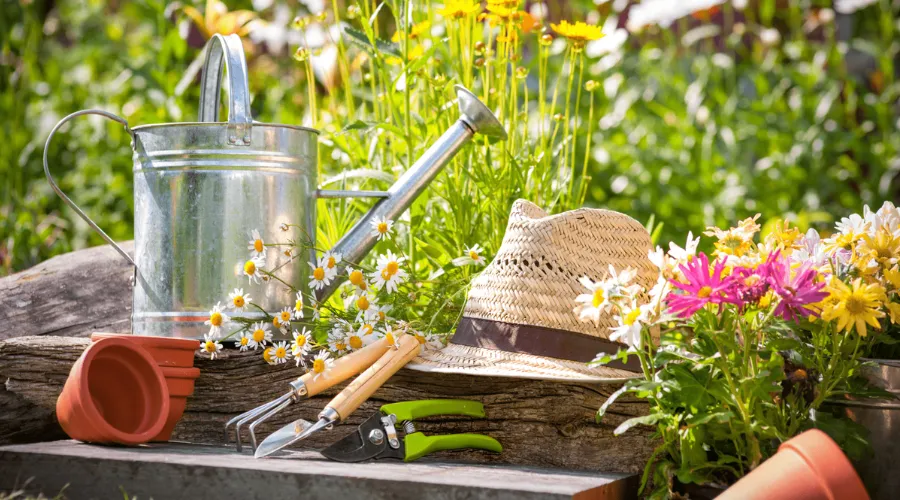
Gardening is more than just a hobby; it’s an art that requires skill, patience, and the right tools. A well-maintained garden can transform your home into a green haven where you can relax and enjoy nature. It can enhance your home’s curb appeal, increase its value, and provide a rewarding hobby. But where do you start? This guide will help you understand the essential tools needed for the ultimate garden makeover.
Gardens are often overlooked during home renovations, with most of the focus being on the interior. However, a well-maintained garden can make a significant difference to the overall aesthetic of your home. It can provide a space for relaxation, entertainment, and even home-grown food.
Whether you’re a seasoned gardener or a beginner, this guide will give you the information you need on the essential tools for a garden makeover. From landscaping to planting and maintenance, you’ll learn all the tools you need to create your dream garden.
Discover the potential of your garden
Before you begin your garden makeover, it’s crucial to understand the potential of your outdoor space. Evaluate the size, layout, and existing features of your garden. This will help you decide what changes you need to make and what tools you may need.
Consider the type of soil, the amount of sunlight your garden receives, and your local climate. These factors will affect the types of plants that will thrive in your garden. You may want to invest in a soil testing kit to better understand your soil’s pH and nutrient levels. This will guide you in selecting the right plants and amendments for your garden.
If you have a small garden, consider vertical gardening or using containers to maximize space. For larger gardens, consider adding features like a pond, gazebo, or fire pit. Make a sketch of your garden, including where you want to place these features and what tools you’ll need to create them.

Essential tools for planting and maintenance
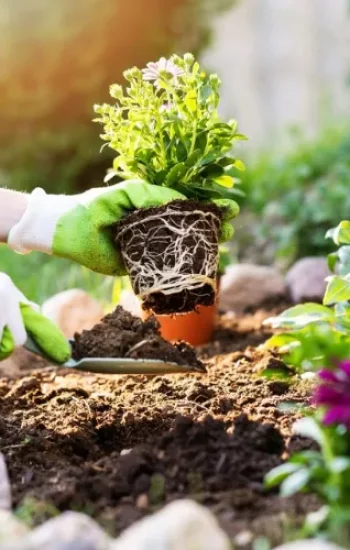
Once you have your garden landscape in place, it is time to start planting. Essential tools for planting include a trowel, a soil plotter, a garden knife, pruning shears, and a watering can or hose.
A trowel is used to dig small planting holes, while a digger makes holes in the ground for seeds or small plants. A garden knife is useful for cutting string, opening bags of compost, and dividing plants. Pruning shears are essential for pruning and shaping plants, and for watering your plants, you will need a watering can or hose.
For garden maintenance, consider purchasing a pair of garden gloves to protect your hands, a weeding tool to remove unwanted weeds, and a garden cart or basket to carry your tools around the garden.
Choosing the right garden furniture
Garden furniture can enhance the functionality and aesthetics of your garden. It provides a place to relax, dine and entertain. When choosing garden furniture, consider the size of your garden, the local climate and your personal style.
Garden benches, swings, hammocks and loungers are ideal for relaxing. Dining tables and chairs are perfect for al fresco dining, while a fire pit or barbecue can provide warmth and a cooking area. On sunny days, a gazebo or parasol can provide shade. Choose furniture that is durable, weatherproof and matches the style of your garden.
You will also need a few tools to assemble and maintain your garden furniture. These may include a screwdriver, a drill, a hammer and some stain or paint for wooden furniture.
Essential Tools for Garden Decorating
Garden decorations add personality to your garden. They include features such as lighting, water features, sculptures, pots and planters. These elements can transform your garden, especially at night, into an enchanting space.
Outdoor lighting can highlight the features of your garden and create a magical atmosphere. You can use solar lights, string lights, lanterns or spotlights. Water features such as a pond, fountain or waterfall can add tranquility and beauty to your garden. Sculptures, bird baths and garden gnomes can add a touch of whimsy.
Pots and planters allow you to add plants to places where it is not possible to plant directly in the ground, such as patios or terraces. In addition, they allow you to easily change the layout of your garden. You may need some tools to install these decorations, such as a drill, saw, hammer and some screws and nails.
Tips for maintaining garden tools
Maintaining your garden tools can extend their life and improve their performance. Clean your tools after each use to prevent rust and remove sap and dirt. Sharpen blades regularly to ensure they cut cleanly and easily. Lubricate moving parts to keep them running smoothly. Store your tools in a dry, protected place to prevent weather damage.
Some tools may require special maintenance. For example, power tools may require frequent oil changes and air filters. Always follow the manufacturer’s instructions for maintaining these tools.
If a tool is damaged or worn, it is usually better to replace it than to continue using it. A defective tool can cause injury or damage your plants.
DIY vs. Professional: When to Hire a Garden Expert?
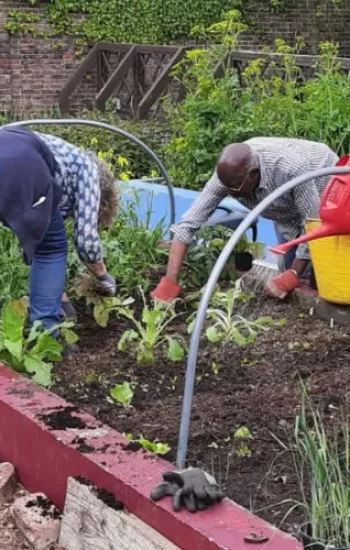
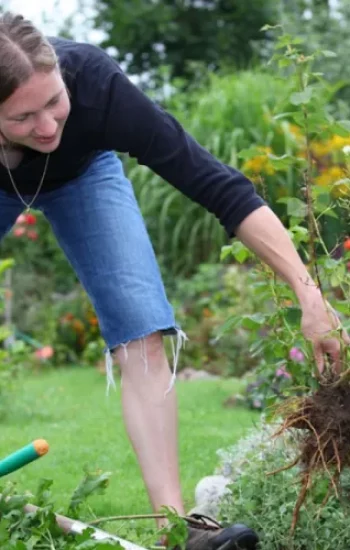
While DIY gardening can be rewarding and fun, there are times when it’s better to hire a professional. Large landscaping projects, tree removal, and irrigation system installations are tasks that are best left to professionals. They have the necessary skills, equipment, and knowledge to do the job safely and efficiently.
Get quotes from several professionals and check their references before hiring anyone. Make sure they are licensed and insured. Discuss your vision with them to make sure they can deliver the results you want.
DIY gardening is ideal for smaller projects like planting, pruning, and landscaping. It allows you to express your creativity and connect with nature. Make sure you have the right tools and knowledge for the job.
Conclusion
A garden makeover can breathe new life into your outdoor space. It can transform a dull and boring garden into a vibrant and inviting oasis. While it takes effort and investment, the rewards are worth it. With the right tools and knowledge, you can create a garden that reflects your personality and enhances the appeal of your home.
Remember that gardening is a journey, not a destination. Your garden will evolve and change with the seasons and years. Embrace the change and enjoy the process of creating and caring for your garden. Happy gardening!