


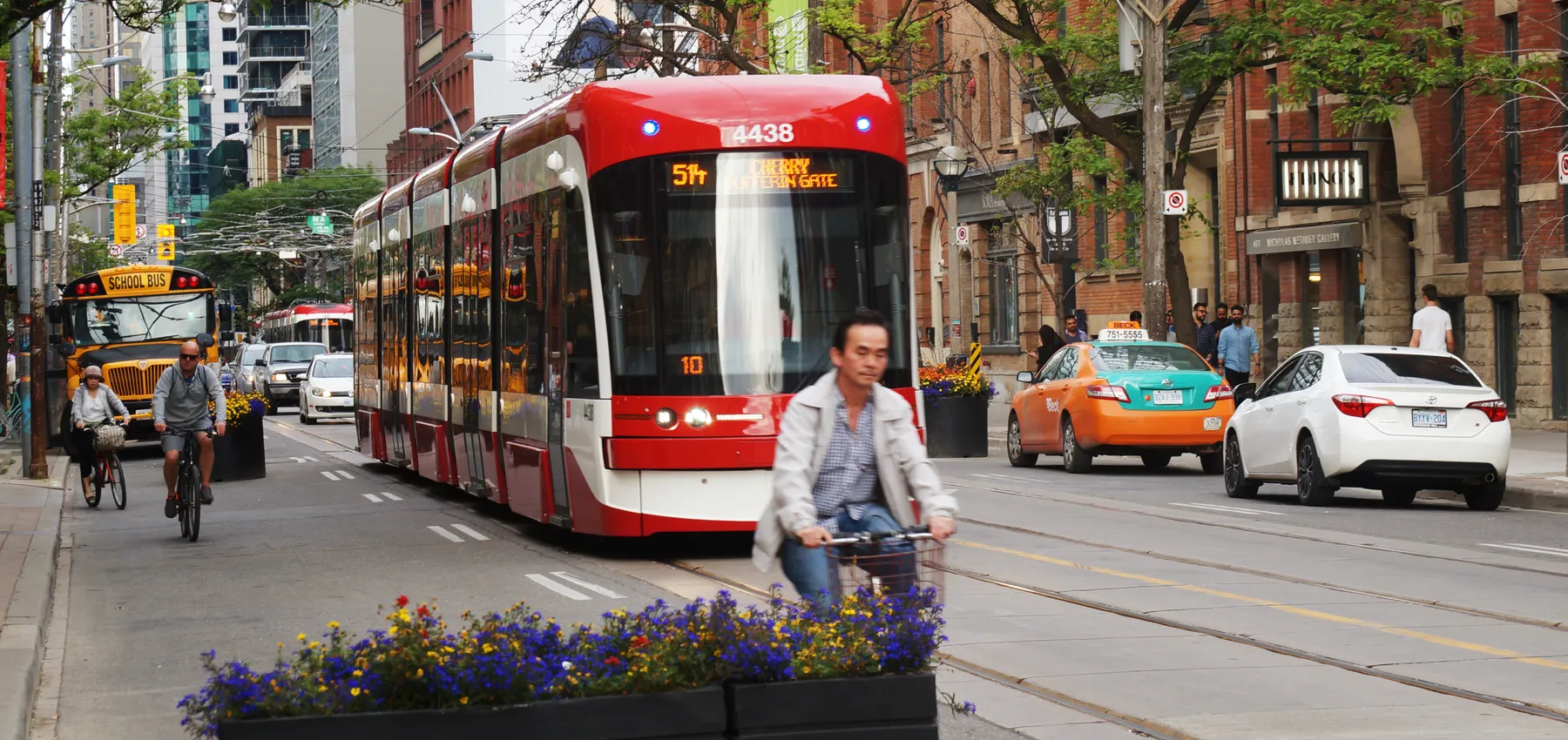
In an era characterized by rapid urbanization and population growth, the need for efficient and sustainable transport has never been more crucial. Public transport emerges as a beacon of hope and addresses the pressing challenges associated with individual car use. In this blog, we delve deeper into the significance of public transport, examining its benefits, challenges and its transformative impact on urban mobility.
The essence of public transport
What is mass transit?
Before we go into the intricacies of public transport, we must first define the term. Public transport refers to the organized and shared transport of large numbers of people in a centralized system. These can be buses, trains, trams and other forms of public transport designed to move large groups efficiently.
The green advantage
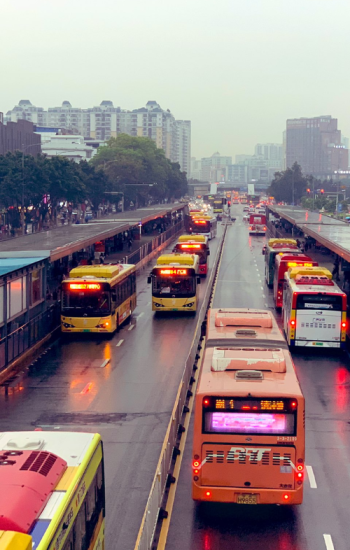
One of the most convincing arguments for public transport is the environmental impact. As the world struggles with the effects of climate change, the transition to sustainable transport options becomes necessary. Public transport systems significantly reduce CO2 emissions per passenger compared to individual car use, contributing to cleaner air and a healthier planet.
economic efficiency
Public transport systems are not only environmentally friendly; they also offer economic benefits. Investing in a robust public transport infrastructure can boost economic growth by creating jobs, stimulating local businesses and attracting investment. In addition, public transport reduces the financial burden for individuals who would otherwise be able to bear the costs of owning and maintaining private vehicles.
Challenges and solutions in public transport
1.Overcoming infrastructure bottlenecks
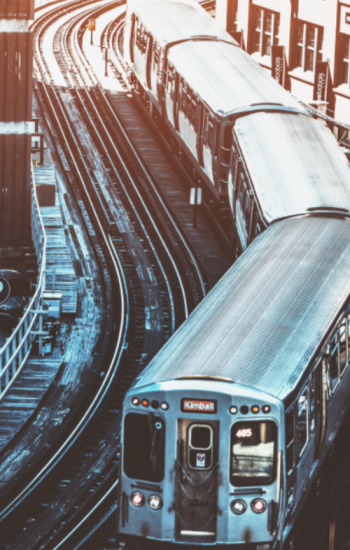
While the benefits of public transport are clear, the implementation of efficient systems faces challenges, one of the most notable of which is infrastructure constraints. Building and maintaining an extensive network of transport hubs, tracks and stations requires significant investment and careful planning. Governments and city planners must work together to address these challenges and create a seamless public transport experience.
Last-mile connectivity issues
A common criticism of public transport is the challenge of ‘last-mile connectivity ’. This refers to the difficulties passengers face in reaching their final destination from transit stations. To address this, cities are researching innovative solutions such as bicycle sharing programs, electric scooters and improved pedestrian infrastructure, creating a comprehensive and accessible transit ecosystem.
The technological revolution in public transport
Embracing technology is crucial in optimizing public transport systems. From real-time tracking apps to predictive maintenance using artificial intelligence, the integration of technological developments improves the overall user experience and operational efficiency. The integration of contactless payment systems and smart cards further streamlines the boarding process, making public transport more attractive and easier for users.
Success stories around the world
Tokyo's efficient rail network
Tokyo is proof of the success of a well-planned and implemented public transport system. The city’s extensive and punctual rail network serves millions of people every day, demonstrating the potential of a robust infrastructure. With integrated ticketing systems and a focus on customer experience, Tokyo’s public transport system has become a model for other megacities around the world.
Curitiba’s Bus Rapid Transit (BRT) -systeem
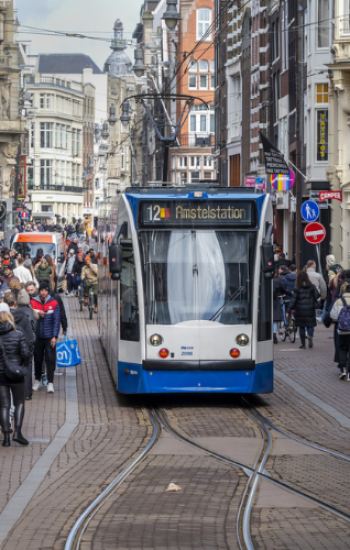
Curitiba, Brazil, revolutionized urban transport with its Bus Rapid Transit (BRT) system. By allocating exclusive lanes to buses, implementing pre-boarding tariff collection and ensuring synchronized traffic lights, Curitiba’s BRT system combines efficiency and affordability. This innovative approach has inspired cities around the world to explore similar solutions to their transport problems.
The future of public transport: innovations and more
Sustainable fuels and electric mobility
As technology progresses, the public transport sector is witnessing a shift towards sustainable fuels and electric mobility. Electric buses and trains powered by renewable energy sources are becoming increasingly common, reducing dependence on fossil fuels and minimizing the environmental impact of transport.
Hyperloop and high-speed train
The future of public transport may also lie in advanced technologies such as the Hyperloop and the high-speed train. These innovations promise to revolutionize long-distance travel and provide unprecedented speed and efficiency. While we are still in the experimental phase, the potential for transforming the way we move between cities is undeniably exciting.
Community involvement and inclusiveness
Public transport systems must be designed with the community in mind to really succeed. Involving residents, taking into account diverse needs and guaranteeing inclusiveness in transport planning are crucial steps towards creating a system that benefits everyone. Community input can shape the development of public transport, making it more responsive to and reflecting the unique features of each site.
Financial incentives for adoption of public transport
Governments and local authorities can play a crucial role in promoting the use of public transport by implementing financial incentives. This could include tax breaks for companies that promote the use of public transport among employees, subsidies for people with a low income or discounts for regular users of public transport. Such initiatives can significantly increase the number of travelers and contribute to the overall success of public transport systems.
Conclusion: embracing public transport for a sustainable future
In the light of urbanization, climate change and the growing demand for efficient transport, public transport is emerging as a beacon of hope. The environmental benefits, economic efficiency and the potential for transformative urban development make it a cornerstone of sustainable mobility. As we take up the challenges and embrace innovations, public transport has the potential to redefine the way we move and promote a future in which transport is not only efficient, but also environmentally responsible and socially inclusive. It is time for cities around the world to invest in public transport, enabling a sustainable future for generations to come.