


Gaming consoles have been at the forefront of the gaming industry for decades, offering players immersive experiences that continue to push the boundaries of technology. From the early days of pixelated graphics to the current era of 4K gaming, these devices have come a long way. In this blog, we explore the evolution of gaming consoles, examining their impact on the gaming landscape and how they’ve shaped the way we play.


The pioneer days: from pixels to polygons
In the early 1970s, the concept of home video gaming was still in its infancy. However, it was during this time that the first video game consoles began to make their way into homes. The Magnavox Odyssey, released in 1972, is often considered the first home video game console. With simplistic games like Pong and Tennis, the Odyssey laid the foundation for what would become a multi-billion dollar industry.
From Magnavox Odyssee: A game-changer
The Magnavox Odyssey, despite its limited capabilities compared to modern consoles, introduced the idea of playing video games on a home television. The use of cartridges allowed for game variety, setting a precedent for future consoles. However, it was the arrival of the Atari 2600 in 1977 that really popularized home gaming. With a diverse game library and innovative joystick controllers, the Atari 2600 became an iconic symbol of the gaming revolution.
The Rise of Nintendo and Sega: Console Wars Begin
As the 1980s dawned, the gaming landscape witnessed a significant change with the arrival of Nintendo and Sega. The Nintendo Entertainment System (NES) arrived in 1985 and introduced franchises such as Super Mario Bros. and The Legend of Zelda. Nintendo’s success led to the start of the infamous console wars.
Nintendo vs. Sega: a battle for supremacy
In the late 1980s and early 1990s, there was intense competition between Nintendo and Sega. Released in 1988, the Sega Genesis challenged the NES with its advanced graphics and strong lineup of games. Sonic the Hedgehog, Sega’s mascot, became an instant icon. The console wars not only led to technological advancements, but also resulted in a more vibrant and diverse gaming ecosystem.

The 3D Revolution: PlayStation Emerges
The mid-1990s marked a transformative period in gaming with the advent of 3D graphics. Sony entered the scene with the PlayStation in 1994, introducing a CD-based format that allowed for larger, more detailed games. The success of the PlayStation ushered in a new era, and it quickly became the console of choice for cutting-edge gaming experiences.
PlayStation: Redefining Gaming
The PlayStation library included iconic titles like Final Fantasy VII and Metal Gear Solid, which set a new standard for storytelling in video games. The introduction of dual analog sticks on the PlayStation controller also became an industry standard. Sony’s dedication to innovation and powerful hardware cemented its position as a major player in the gaming console market.
The Modern Era: PlayStation, Xbox, and the Hybrid Nintendo Switch
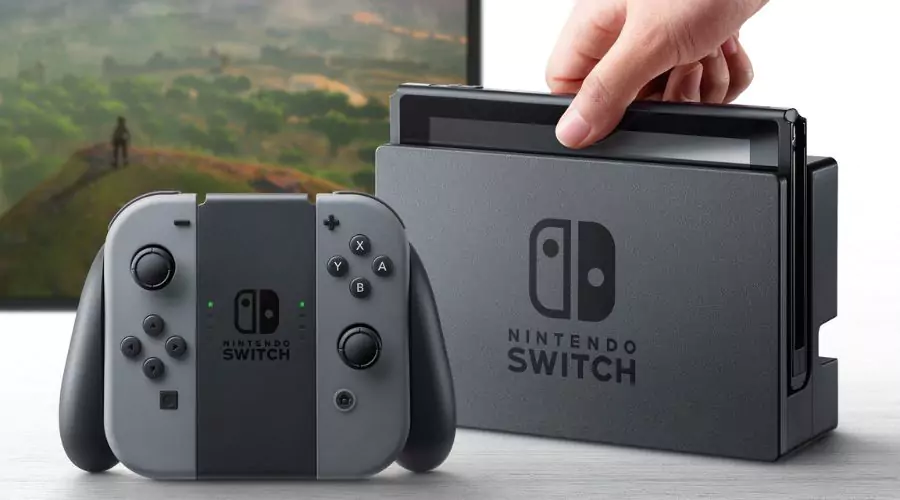
In recent years, gaming consoles have reached unprecedented levels of sophistication. The PlayStation 4 and Xbox One, released in 2013, introduced advanced graphics, virtual reality support, and a host of multimedia features. Meanwhile, Nintendo took a unique approach in 2017 with the hybrid Nintendo Switch, blurring the lines between home and portable gaming.

PlayStation 5 and Xbox Series X: Next-Generation Powerhouses
Released in 2020, PlayStation 5 and Xbox Series X represent the pinnacle of gaming technology. Featuring ray tracing, 4K resolution, and ultra-fast loading times, these consoles offer an unparalleled gaming experience. The competition between Sony and Microsoft continues to drive innovation, with each company pushing the boundaries of what’s possible in console gaming.
The impact of gaming consoles on culture and technology
Beyond the gaming landscape, consoles have had a profound impact on culture and technology. The rise of esports, streaming platforms and virtual reality can be partly attributed to the influence of gaming consoles. These devices have shaped not only the way we play, but also how we experience and interact with digital entertainment.
Esports and streaming: a new era of gaming
The competitive gaming scene known as esports has exploded in popularity, with gaming consoles playing a crucial role. Titles like Fortnite, Overwatch and Call of Duty have become esports sensations, attracting millions of viewers around the world. Streaming platforms such as Twitch and YouTube Gaming have become essential for gamers to share their experiences, creating a global community of players.
Virtual Reality: gaming off the screen
The integration of virtual reality (VR) into gaming consoles has opened up new dimensions of immersion. PlayStation VR, compatible with PlayStation 4 and 5, allows players to enter virtual worlds and experience games in ways never before possible. VR has the potential to redefine the way we perceive and interact with video games, pushing the boundaries of what is conceivable in interactive entertainment.
The future of gaming consoles: what awaits us?
As technology continues to evolve, the future of gaming consoles holds exciting possibilities. The integration of artificial intelligence, augmented reality and cloud gaming will likely shape the next generation of consoles. Companies are exploring ways to make gaming more accessible and inclusive, so that the joy of gaming reaches an even wider audience.
Artificial intelligence and cloud gaming
Artificial intelligence (AI) has the potential to revolutionize the way games are developed and played. Intelligent NPCs, dynamic storylines and personalized gaming experiences are areas where AI can have a significant impact. Cloud gaming services, such as Xbox Cloud Gaming and PlayStation Now, are already making strides to give players instant access to games without the need for powerful hardware.
Inclusive gaming: expanding the player base
Companies are actively working to create more inclusive gaming experiences. From designing controllers for players with varying needs to developing games that serve a broader audience, the gaming industry is becoming more accessible than ever. The aim is to ensure that everyone, regardless of age, skill or background, can have fun in the world of gaming.
Conclusion
Gaming consoles have come a long way since the days of the Magnavox Odyssey. From the pixelated graphics of early consoles to the immersive experiences of PlayStation 5 and Xbox Series X, the evolution of gaming consoles reflects the continued innovation and passion that drives the games industry. As we look to the future, the possibilities seem limitless, promising a new era of gaming that is more inclusive, technologically advanced, and culturally impactful than ever before. Whether you’re a casual player or a dedicated esports competitor, gaming consoles remain at the heart of the gaming revolution, defining the way we play and experience digital entertainment.